
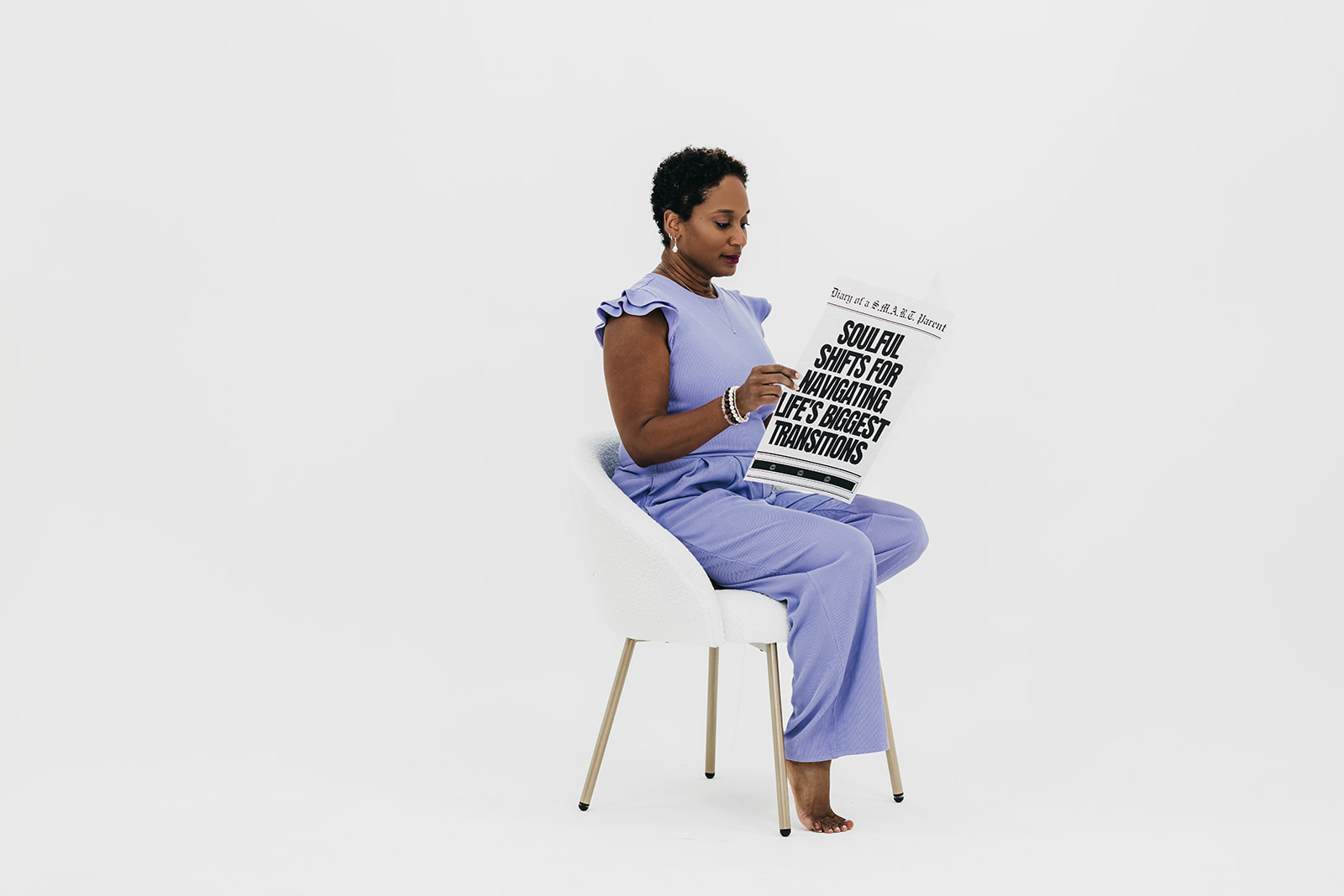
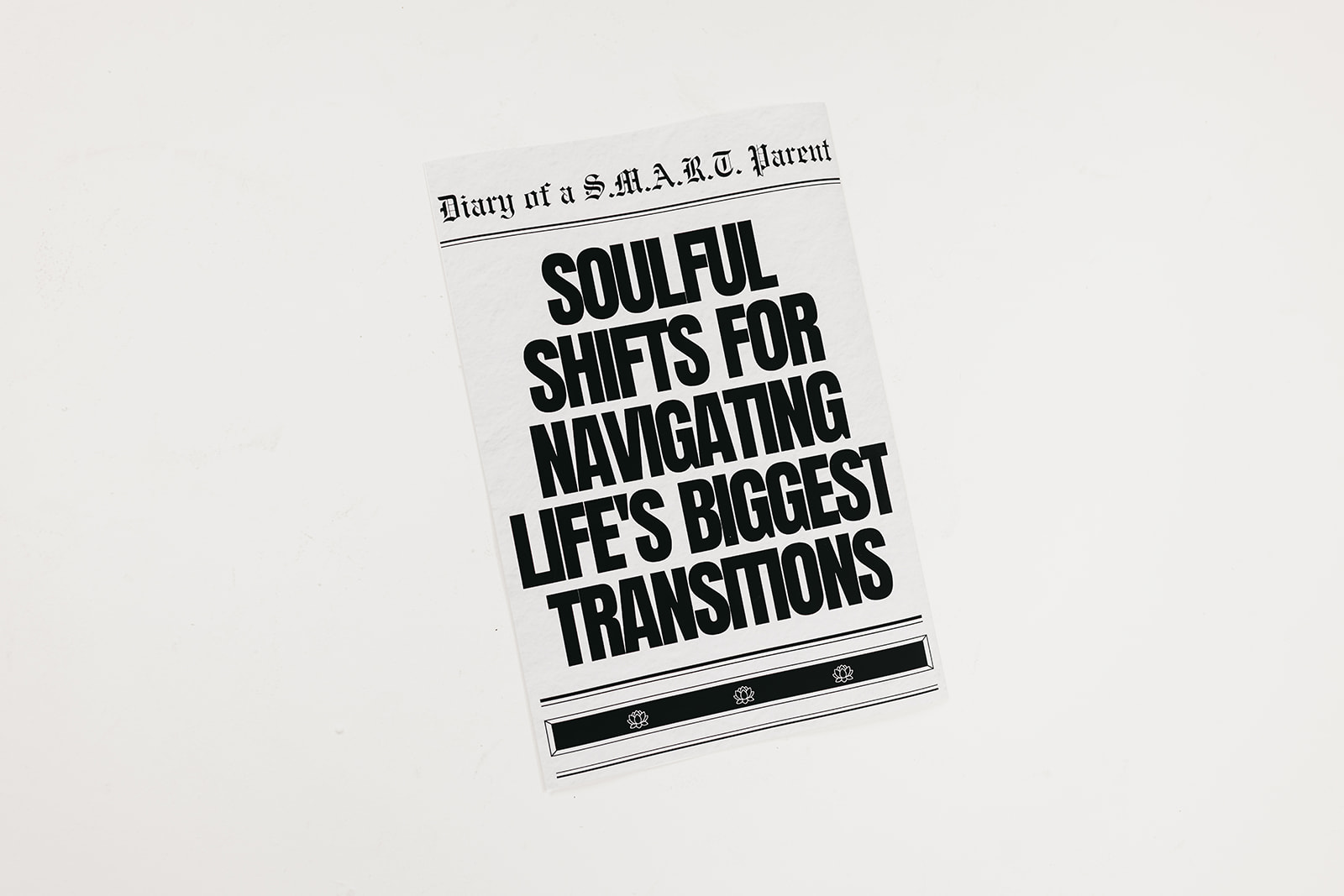
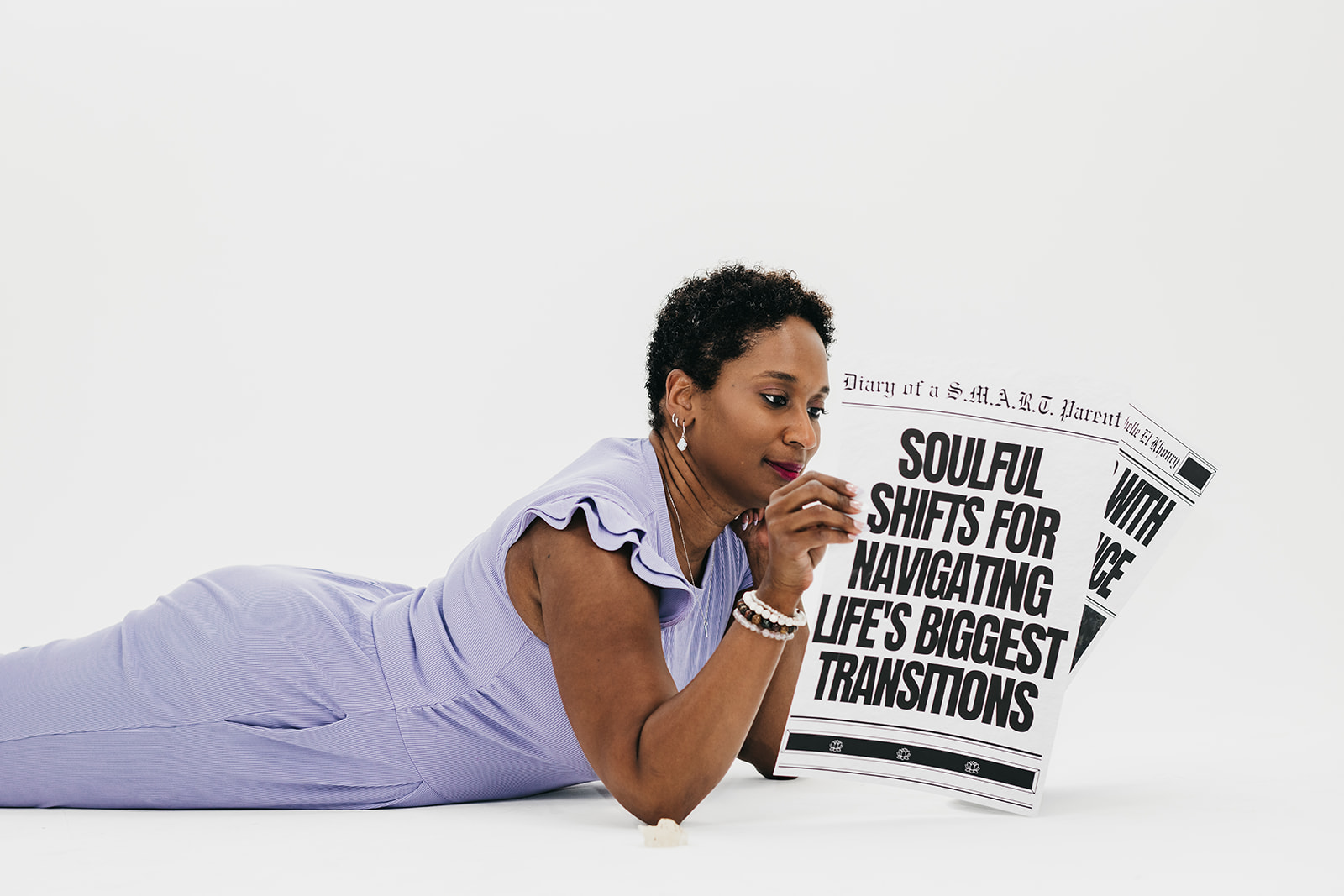


Reclaim your body as a source of wisdom
Dear leader,
Stop treating your body like something that betrayed you when it's actually trying to communicate with you.
Maybe you’ve built your career on understanding systems, analyzing problems and implementing solutions. Or maybe you’re someone who believes that if you just work hard enough, you can control outcomes.
But what others don't see is the part of you that's lost trust in your own body. Maybe it was a pregnancy loss that made you question whether your body could do what it's designed to do. Maybe it was a health diagnosis that changed everything overnight. Maybe it was grief from a divorce or death that you couldn't "think" your way through. Whatever the loss, your body suddenly feels like a stranger—or worse, a betrayer.
In my last entry, we explored how to redefine strength as aligned embodiment. You've learned to build capacity rather than force performance, to work with your body's changes rather than against them. Now comes a harder truth: sometimes your body experiences loss. And when that happens, you need to rebuild trust. Not by managing your body like a problem to solve, but by learning to listen to it again.
This year alone, I've supported two clients through pregnancy loss. One was their fourth loss in recent years. The other was the first. Both stayed connected afterward, not for more yoga instruction, but because they needed someone who could hold space for their grief without trying to fix it.
What I learned through supporting them mirrors what I learned through my own losses: the loss doesn't define you, but pretending it didn't happen won't help you heal.
There's a 10-year gap between my first and second daughters. During that time, I navigated a divorce, a new marriage, and two pregnancy losses in the same year. Both followed eerily similar patterns: routine first-trimester checkups between 12-14 weeks, no heartbeat. The devastating feeling of receiving that news, then having to go to work and try to focus on the next regulatory review when my mind was processing emotions I had no language for.
I remember the ‘D&C’ surgery, the label of "Advanced Maternal Age" (as if being 35+ means your body is failing you), and the isolation of carrying this grief almost entirely alone. My husband didn't understand the depth of what I was experiencing—not out of cruelty, but because I couldn't articulate it and he didn't know how to ask. I told my manager about one loss, but only to explain why I needed to work from home. Otherwise, I was performing competence while feeling completely betrayed by my own body.
After the second miscarriage, I stopped trusting my body entirely. I managed it instead of partnering with it, treating it like something that needed to be controlled rather than listened to. How could something that had successfully grown and birthed a healthy child suddenly feel so unreliable?
When I finally became pregnant with my second daughter, it was like walking on pins and needles. And by then, I was up for a promotion at work. So now I'm navigating pregnancy after loss, career advancement, and the guilt of knowing I'd worked so hard for this promotion only to go on leave shortly after getting it.
Then, maybe two weeks before she was due, we found out we were moving to Dubai for my husband's job. We arrived when she was 14 weeks old. My husband immediately started his new job. I was alone with an infant, settling my older daughter into a new country, finding a house, figuring out life in general. The overwhelm got to me.
But that's also when I decided that since I wasn't working, I would educate myself more deeply in yoga. And that's what saved me. What gave me confidence to eventually return to work wasn't just time—it was being more grounded, more sure of myself. And that's what the word ‘yoga’ roughly translates to: union with the self.
Here's what I want you to understand: You don't have to practice yoga to reclaim your body’s wisdom. It's about coming back to who you are, what your purpose is. It's about finding practices that help you listen rather than manage. For me, it was breath and movement. For you, it might be something entirely different. But the principle is the same: rebuilding trust happens one conscious choice at a time, not by forcing your body to perform or prove itself.
The losses were part of my journey. The surgery was part of my journey. My husband not understanding was part of my journey. The career questions were part of my journey. And eventually finding my way back to myself—that was the journey too.
So what does rebuilding trust actually look like?
Process grief with connection, not isolation. Whether it's pregnancy loss, career setback, divorce, or health diagnosis—grief doesn't pause for your schedule. You're expected to compartmentalize your most profound experiences into neat boxes that don't interfere with productivity. But suppressing grief to maintain professional appearance doesn't make you stronger. Find someone—a therapist, trusted friend, a manager who creates space for your reality—who can witness your experience without trying to fix it.
Find practices that help you listen, not manage. Your body holds grief in ways your mind can't process. For me, breath and movement created dialogue with my body again. For you, it might be walking, journaling, meditation, therapy. The practice matters less than the intention: are you trying to control your body, or are you learning to hear what it's telling you?
Let go of outcomes, not hope. This is the hardest truth: we cannot move forward if we're still holding onto how things "should" be. Letting go doesn’t mean giving up hope—it means releasing attachment to specific outcomes so you can be present for what actually unfolds. In yogic philosophy, this practice is called aparigraha, or non‑attachment, which invites us to trust the flow rather than cling to control. Whether you're trying again after pregnancy loss, rebuilding after divorce, or navigating a health challenge, attachment to a specific outcome keeps you trapped. Presence creates possibility.
Take time this week to notice where you're managing your body versus listening to it. What would it feel like to trust that your body's signals—even the painful ones—are information, not betrayal?
In my next entry, we'll explore how to set boundaries that protect your capacity—because once you've redefined strength and rebuilt trust with your body, you need to be aligned with what it's telling you.
Your body's intelligence includes both loss and life. Healing means listening, not managing.
From my desk to yours,
Dr. Michelle El Khoury
P.S. Ready to reconnect with your body through gentle movement? Get my free 5-minute daily prenatal yoga practice at https://programs.yogamazia.com/daily-prenatal-yoga and help your body rebuild trust through breath and presence.