
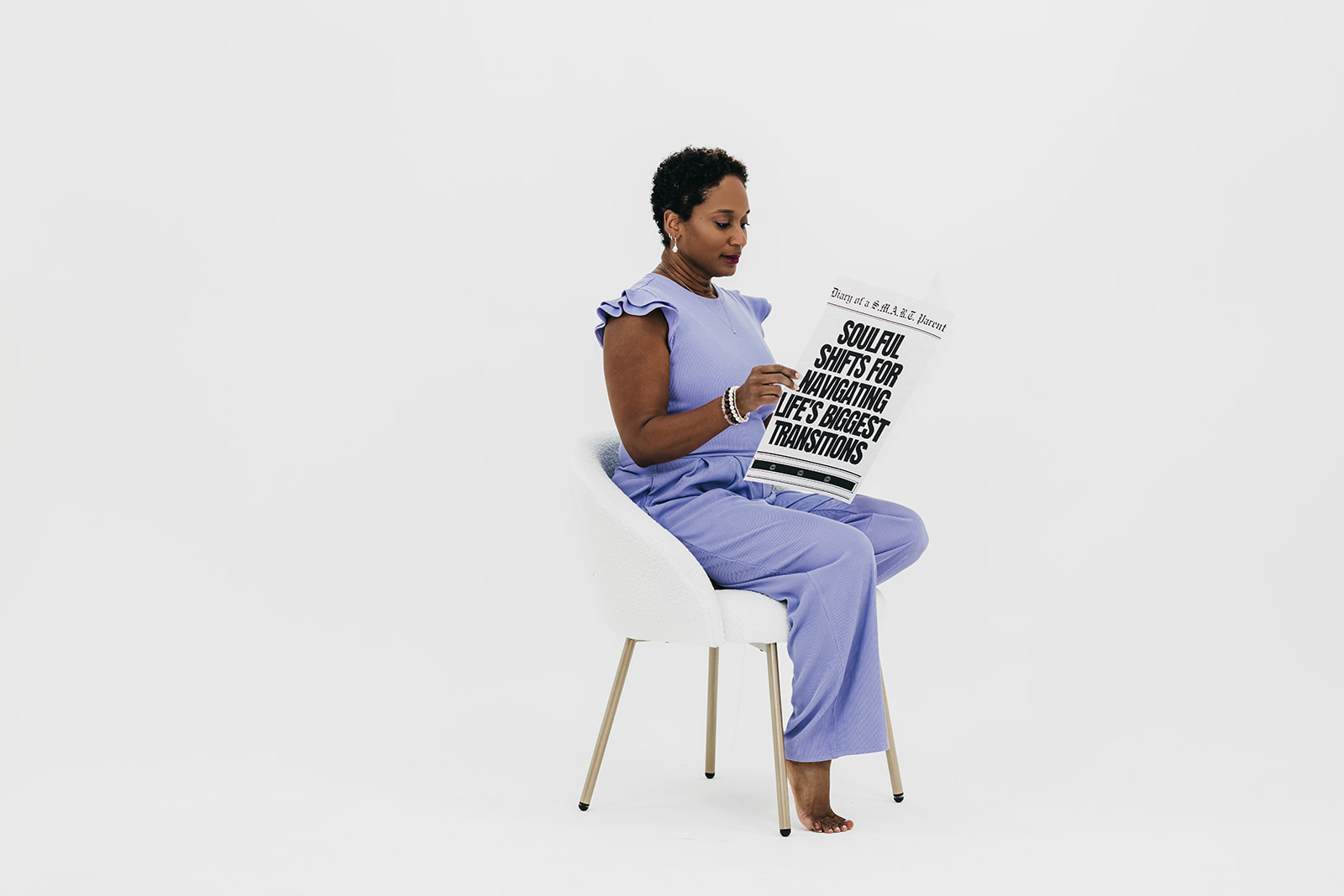
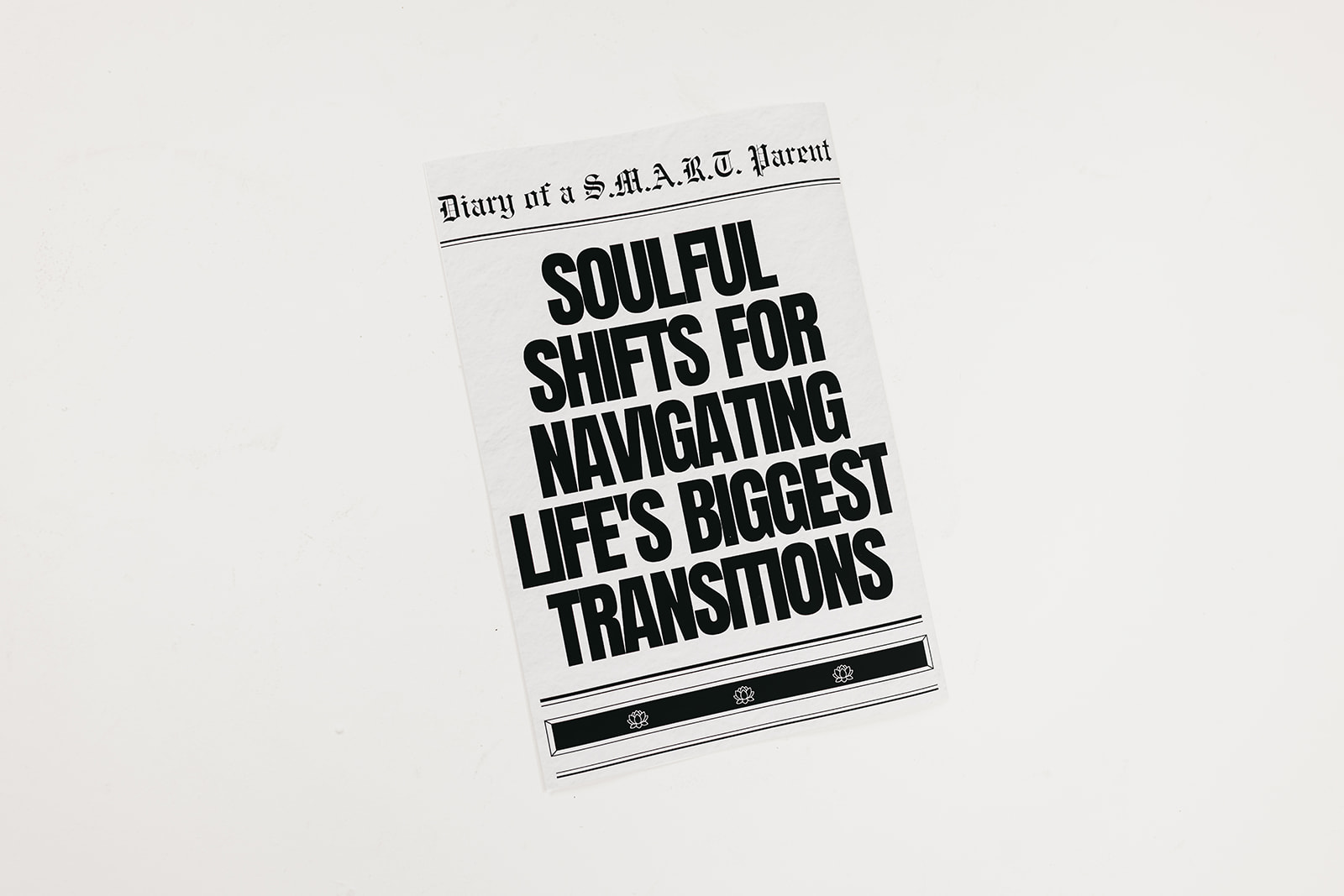
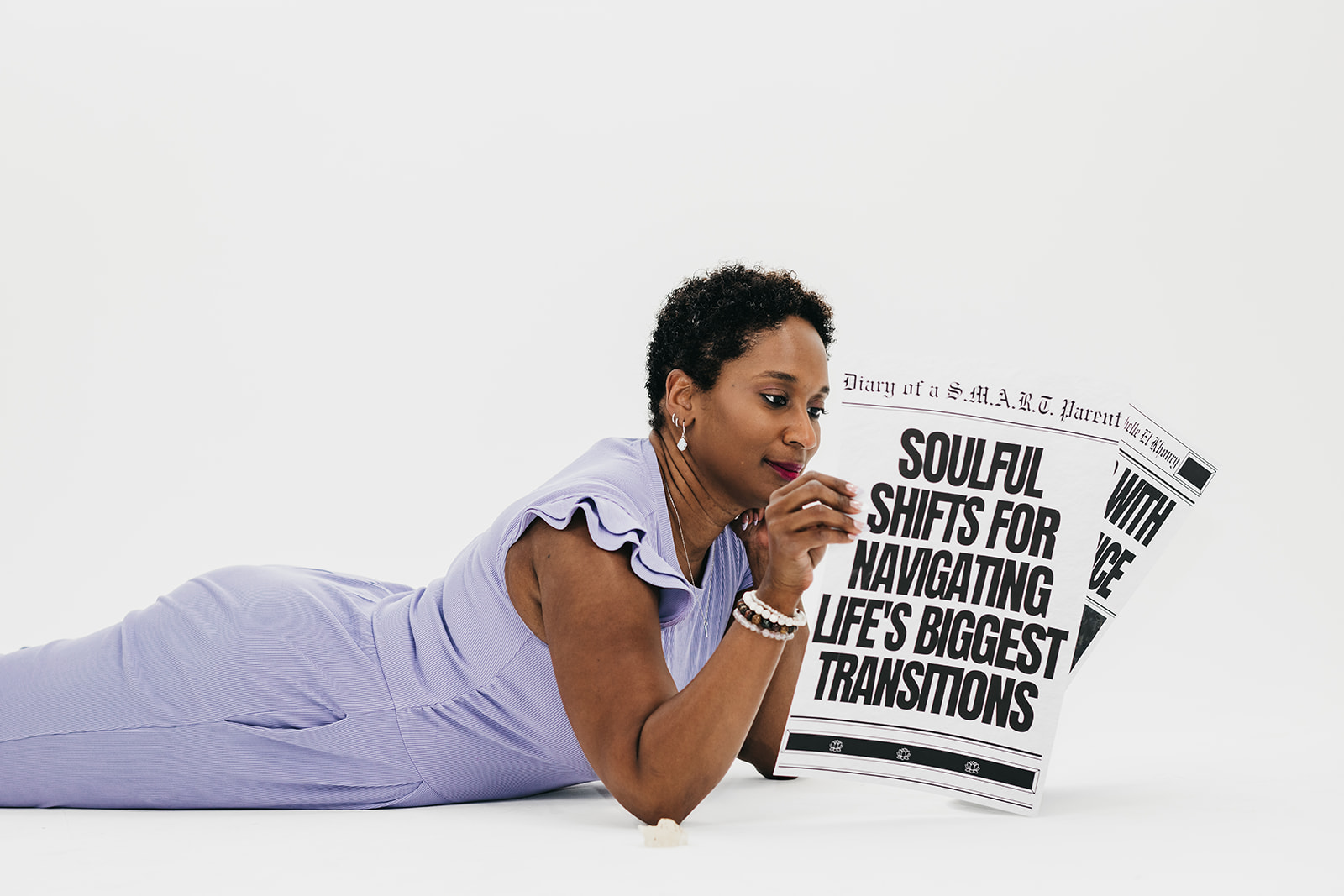
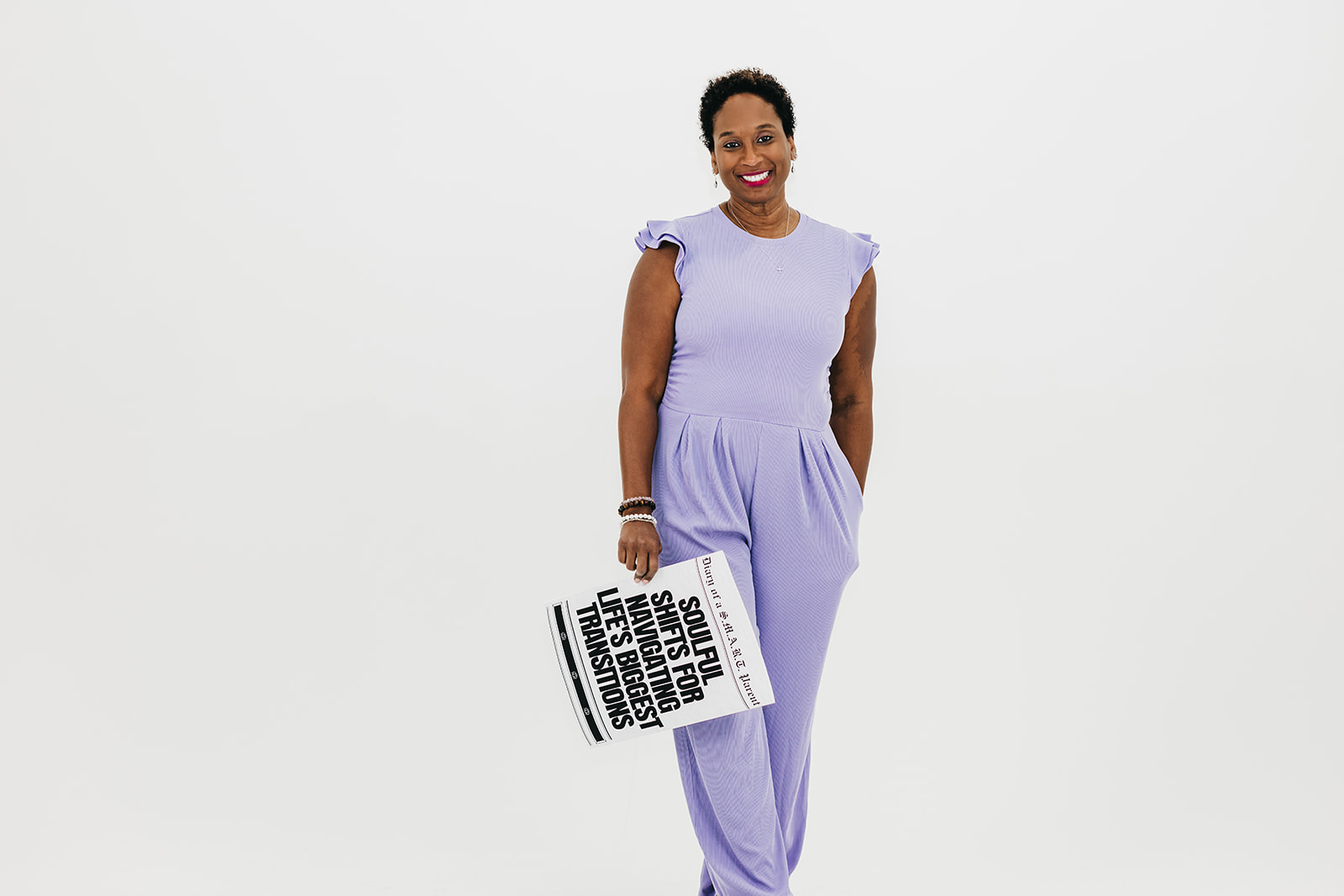
Change the Plan Without Losing the Vision
Dear leader,
Stop calling it failure when you already got what you asked for. You just don’t know it yet.
Maybe you had the “ideal” birth plan. Maybe a plan for your leave or for the first ninety days at your new job. Maybe it was the way you decided you would parent, before you had a child who argued back. I’m sure you were clear-headed when you made that plan and that you thought about it very carefully.
But somewhere in the middle, the plan got confused with the vision behind it. A plan consists of a list of objectives or in the case of birth, preferences. The vision is what you’re actually after. Now you cannot change one without feeling like you lost the other.
On New Year’s Day last year I woke up with a shooting pain in one of my shoulders. What a way to start the year I thought. I chalked it up to sleeping badly, the mattress or my pillow. Three months later, my heart issues flared. I was prescribed a new medications and moved on, assuming that was that. Throughout the year my shoulder would not stop hurting. No amount of yoga, massage, or acupuncture helped. Then imaging results showed another diagnosis commonly related to menopause. Things started to click. I started on hormone replacement therapy but the side effects left me feeling worse. One year later, I stopped it all.
I tried the things I was supposed to try. Each one had a reasonable case behind it. Each one had people I trusted standing behind it. I gave every one of them real time and they didn't work for me. Some of them I knew were not working for weeks before I stopped.
I am a pharmacist and an epidemiologist, and spent twenty years teaching people to trust the evidence over the anecdote, but could not bring myself to act on the one body I actually had access to. I wasn’t ignoring my body. I was overriding it; sitting on the information it was already telling me. And I made every one of those decisions with my care team, not around them.
I see the same gap in the women I support, only running in the opposite direction.
I worked as the doula for a couple who desired a different experience for their second birth. We set their birth vision first and built the birth plan from it. One of the preferences was to have an unmedicated birth.
Their vision was clear: “We welcome our child in a calm environment, feeling confident in our preparation and empowered to advocate for the birth we envision, trusting our ability to navigate this journey together with strength, clarity, and informed choice.”
At forty one weeks gestation, labor was induced with pitocin, a synthetic version of the natural hormone oxytocin in our bodies. The mother looked magical floating through her labor as the dose levels were increased. We laughed, we sang, we danced. We were preparing for a birthday party. Eight hours into her labor, the doctor came in to conduct a cervical check and the number said out loud was 7cm (dilated). Seven sounds like a long way still to go when you’re in labor. But dilation was just one variable. She was also 90% effaced and +2 pelvic station. Her body was far closer to finished than that one number suggested.
But hearing seven made it feel impossible to keep playing the game of unpredictable timing. Knowing she would still feel good about the choice, she asked for an epidural (spinal pain medication). The anesthesiologist had not left the room when she said she felt the urge to push. The care team came in and set up but then she went quiet. And we waited. The entire room went silent as we observed her trusting her body. I held her husband’s hand while he held hers; he later told me he had not known until that moment that he was being held too. Their baby was born within thirty minutes of receiving that epidural; it didn’t even have time to kick in.
On the outside, it may look like she gave up on her plan for an unmedicated birth. What was actually happening was her body was already almost finished, doing the work regardless of what that dilation number had convinced her about herself. Her body had better information the whole time. Trusting it is what it looks like to rise with strength.
Look at what they actually asked for. A calm environment. Confidence in their preparation. The power to advocate. Trust in their ability to navigate it together. Strength, clarity, informed choice. They got every one of them, and she spoke up for what she needed in the hardest hour of it. Nowhere in that vision statement does the word ‘unmedicated’ appear. Yes, that was a desire, but it was also just a checkbox in the long list of preferences in her birth plan. She changed the plan and still achieved the vision. That is what redefining success looked like.
Somewhere between writing it and living it, one preference in the plan had promoted itself into the vision. That is the switch to watch for, because almost nobody notices it happening. You make a decision because it serves what you want at the time. But the leader who isn't ok with changing the plan will keep defending it long after it stops serving the vision.
Two opposite decisions sit in this entry. I stopped an intervention. She accepted one. Underneath them is the same gap: the distance between what the body already knew and the moment we finally let ourselves believe it. Your body is not the obstacle to the plan. It is the instrument reading the terrain the plan was drawn from, and terrain changes. So change the plan without losing the vision.
Here’s how you do that:
Set your vision before you make the plan. This is also the first step in The S.M.A.R.T. Journey to Parenting® framework and is the only part that has to hold when the plan doesn't.
Build your movement practices long before your body needs them. Breath and movement were part of this mother’s pregnancy for months, so when labor started her body knew how to work with the stronger contractions that came with the pitocin.
Decide who will hold you through it. Support gets built before it is needed, not summoned once it is.
You don't lose the vision by changing the plan. You lose it when you decide there is only one way to get there. You're not failing and you're not starting over. You're the same woman who made the plan, and the same woman deciding it no longer needs to go one particular way.
From my desk to yours,
Dr. Michelle El Khoury