
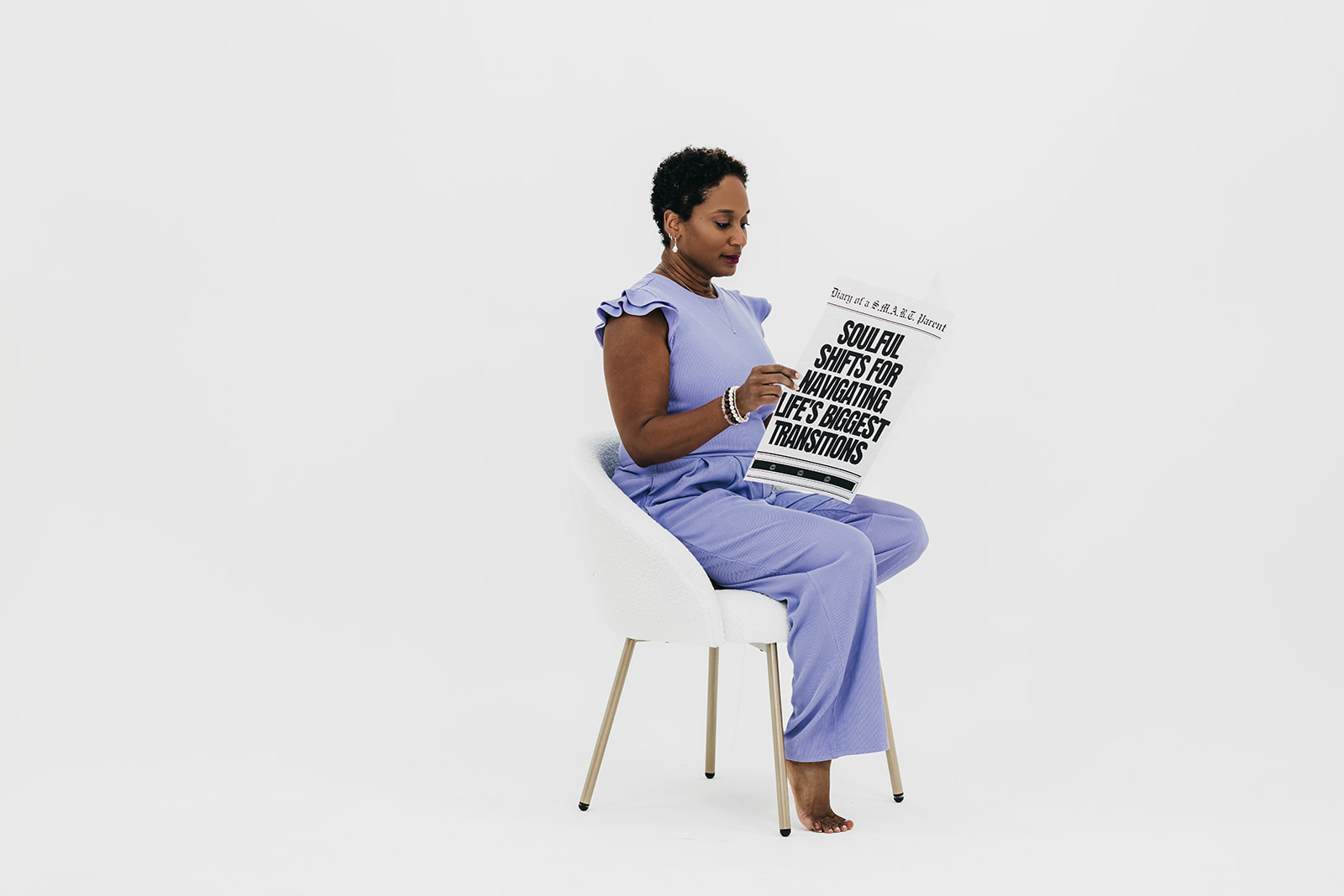
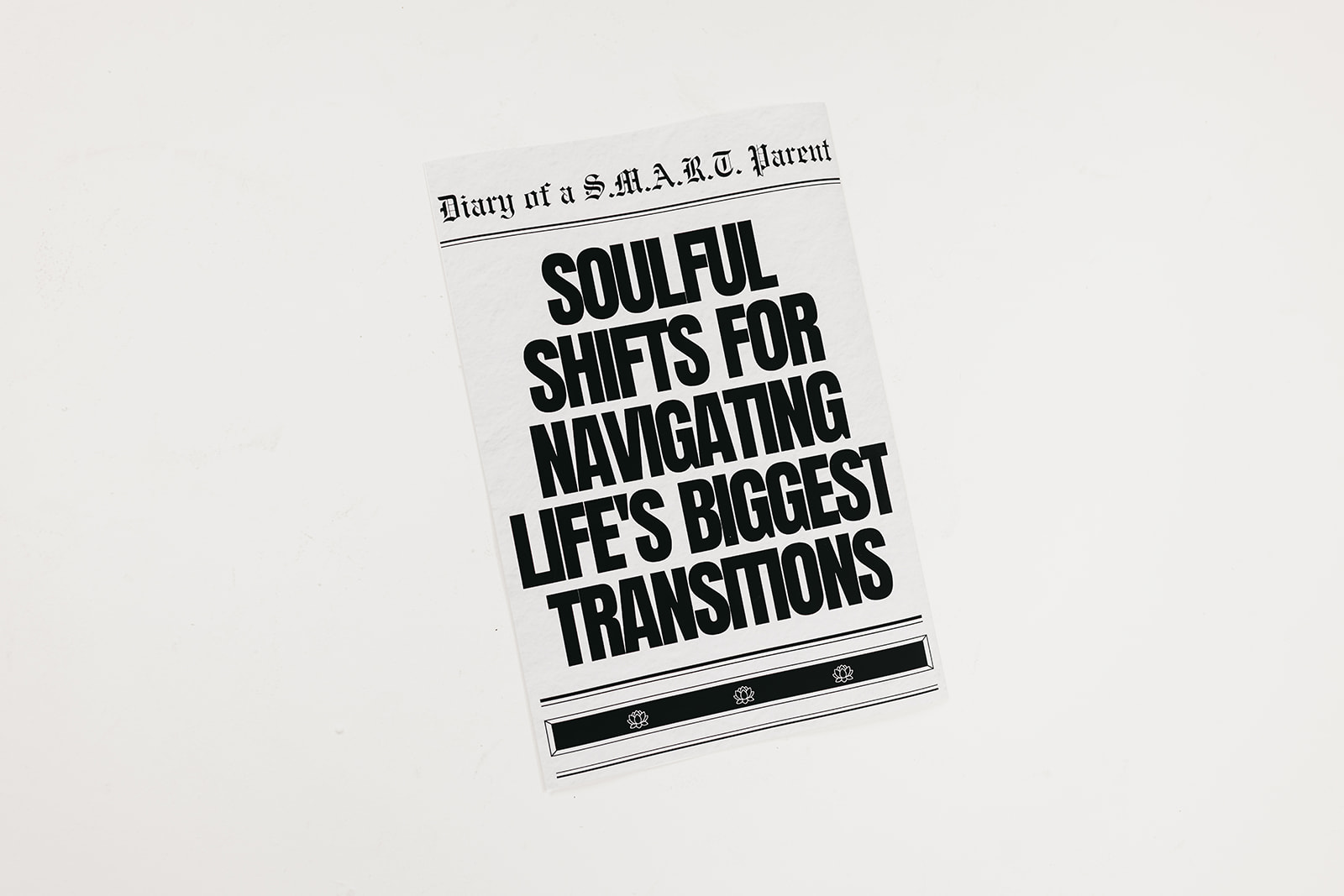
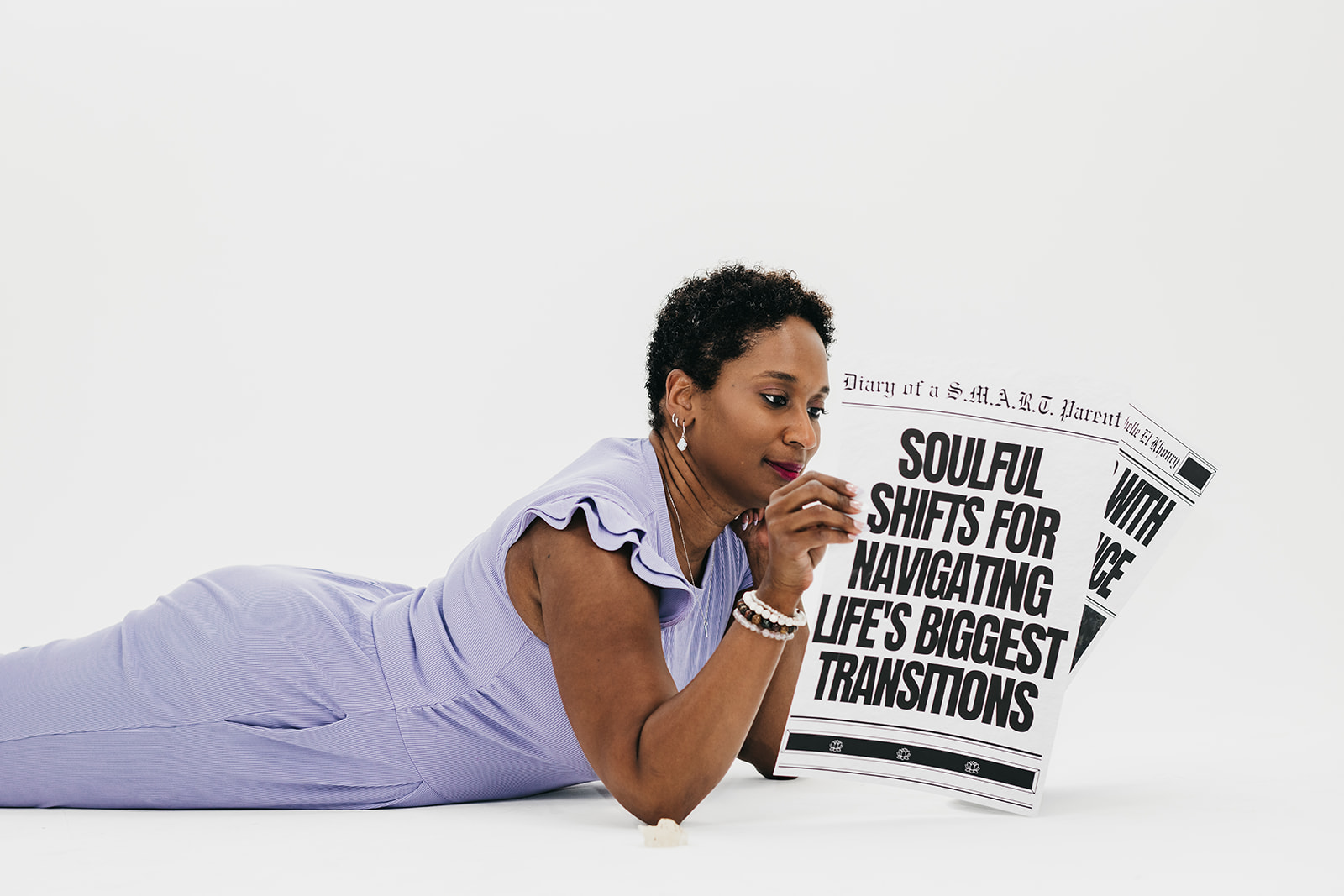

Lead with presence
Dear leader,
Stop fearing uncertainty when you could be building tools to navigate it with confidence.
Maybe you're pregnant and worried about all the possible outcomes for birth. Perhaps your toddler throws a tantrum in the grocery store and you feel that familiar tightness in your chest, overwhelmed and judged by strangers. Or you're in a meeting when a colleague challenges your idea and you feel your heart racing, face flushing, defensive words rising before you can think.
When Sophia contacted me six months before her due date, she seemed like a woman who had everything figured out - a veterinarian with a fitness background who attended my HypnoBirthingand prenatal yoga classes. She was prepared but was about to face the exact scenario she'd been trying to prevent.
With one week left until her due date, her provider introduced concerns about stillbirth risks - creating pressure towards having an induction and fear that her carefully prepared natural birth plan was now at “higher risk”, despite her and her baby being in “perfect” health up to that point. This is one of those moments when our body's stress response tries to hijack us. When panic threatens to take over.
But Sophia had spent months training herself to stay regulated, not just planning her birth. When the unexpected pressure came, she didn't spiral. She drew on the breathing techniques practiced, not to eliminate her fear, but to create space around it. She could feel the anxiety rising but chose her response rather than be controlled by the reaction. She decided to lead with presence.
Her labor was remarkable. Two full days of working with her body's natural rhythms before accepting an epidural for rest. During the actual birth, instead of traditional pushing, Sophia breathed her baby down using the techniques we'd practiced. With the epidural causing numbness in her lower body, she relied completely on her breath and intuition. Her daughter emerged gently, without any tearing. This wasn't luck. Her training supported her body’s natural process.
Staying regulated isn't about staying calm all the time—it's about knowing how to return to calm when everything feels like chaos.
My own relationship with staying regulated has evolved through three distinct phases: ignorance, discovery, and now necessity.
During my first pregnancy, panic took over completely during labor. I was disconnected from my body and couldn't think clearly. Ten years later, I discovered yoga and learned how focused breathing and mindful movement can activate your body's natural relaxation response. When complications arose during that birth (placental abruption and hemorrhaging), I stayed present and advocated for what I needed. By my third pregnancy, I integrated HypnoBirthing techniques to my existing yoga and mindfulness practice so deeply that I woke up so calmly to go to the bathroom not realizing I was in active labor until my water broke. Within 30 minutes, my daughter was born pain-free at home; there was no time to make it to the hospital.
But here's why this practice has become even more crucial: I live with a heart condition which means that staying regulated isn't optional, it's essential for my health. Every day, I practice breathing techniques to maintain heart rate variability and keep my body balanced. When I'm consistent, I sleep better, think clearer, and respond to challenges with presence rather than reactivity.
Understanding why these practices work makes them more powerful. Ancient yogic wisdom about mind-body connection, modern neuroscience showing how the majority of our actions are shaped by subconscious patterns, and research on neural pathways all point to the same truth: when we activate our parasympathetic nervous system, we stimulate our body's natural relaxation response. Therefore, each time we practice exercises like focused breathing, meditation, or mindful movement, studies show we strengthen our neural pathways for calm and weaken pathways for anxiety. Both Sophia and I practiced these evidence-based tools and stayed grounded when uncertainty arose.
Recently, I noticed a tattoo on one of our pregnant students' arms while she was laying in savasana (a resting pose): "I dance to be free”. Those five words stuck with me.
I was reminded how in yogic philosophy, the root (muladhara) chakra represents our foundation—our sense of safety and security. When balanced, we feel grounded and confident. When out of alignment, we experience anxiety and fear. This connection between feeling safe in our bodies and our ability to move freely through life's transitions has been supported by both research and clinical observation.
Here's what leading with presence looks like:
Use your breath as your bridge. Your breath is the only part of your autonomic system you can consciously control. When you practice focused breathing, you're telling your body to shift from stress to calm.
Practice proactively, not reactively. Build focused breathing and then add other mindfulness practices into your daily routine so they're automatic when you need them most. Don't wait until a crisis starts.
Recognize productive concern versus unproductive worry. Productive concern helps you prepare and take action. Unproductive worry keeps you stuck in anxiety loops.
Model regulation for those around you. When others see you pause and breathe before responding, they learn that emotions don't have to control actions.
Take some time this week to slow your breathing pattern for just a few minutes a day. Notice how different it feels to respond from a regulated state versus reacting from overwhelm. Because regulation is a skill, not a state—practice returning to calm so you can lead with presence when uncertainty arises.
You've now completed the mindfully prepare stage of The S.M.A.R.T. Journey to Parenting™ framework. You've created capacity, released perfectionist control, and learned to lead with presence. In my next entry, we'll start exploring how to advance your understanding strategically. Now that you've built the foundation of regulation, gathering knowledge becomes empowering rather than overwhelming and understanding how your mind and body evolve through transformation can guide you through any season of change.
Remember to instill practices that bring peace and presence because in every stage of life, your presence is the practice.
From my desk to yours,
Dr. Michelle El Khoury
P.S. Ready to build your regulation toolkit? If you’re pregnant, get my free Labor Visualization at https://programs.yogamazia.com/labor-visualization and practice breathing techniques that help you return to calm under pressure.