
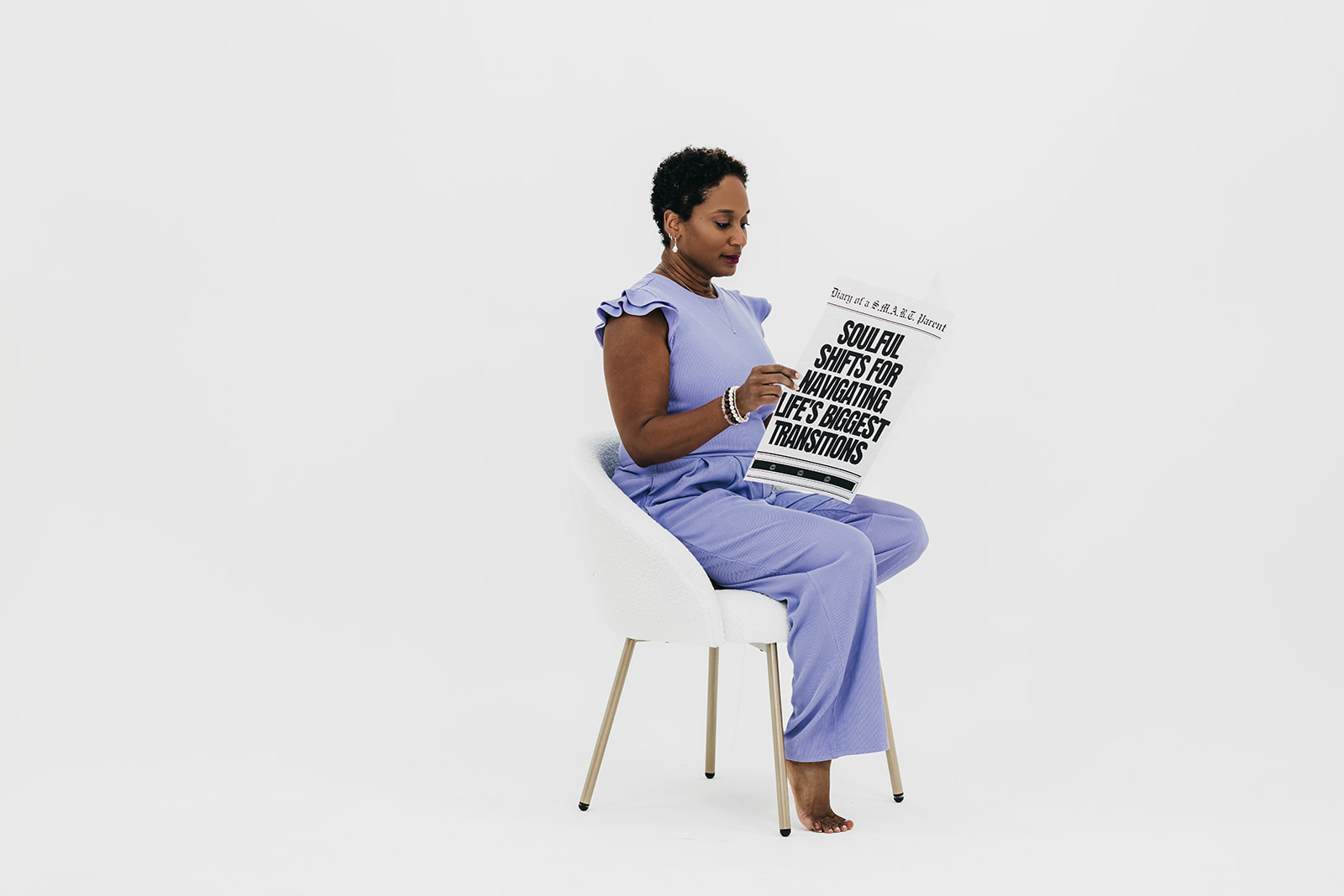
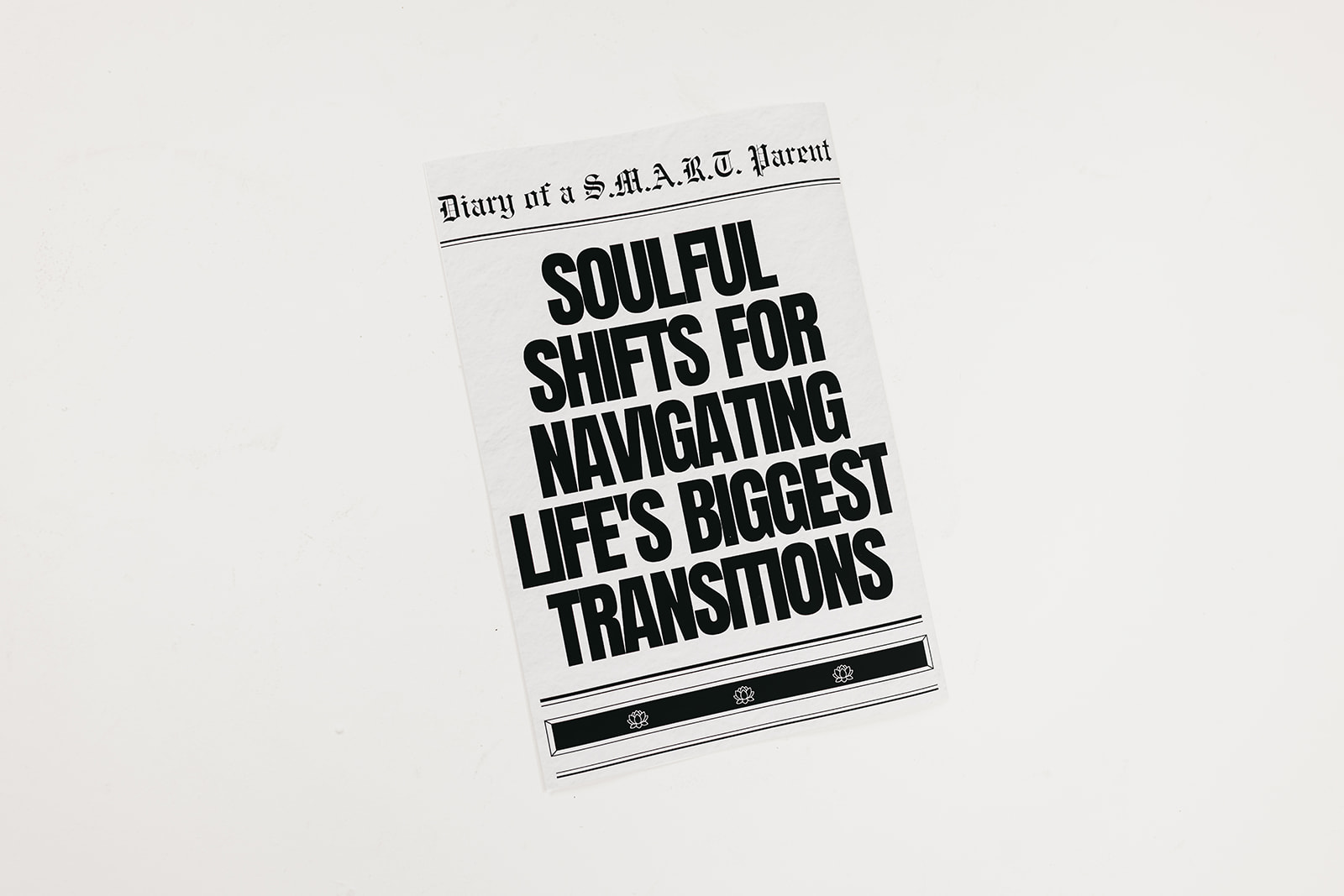
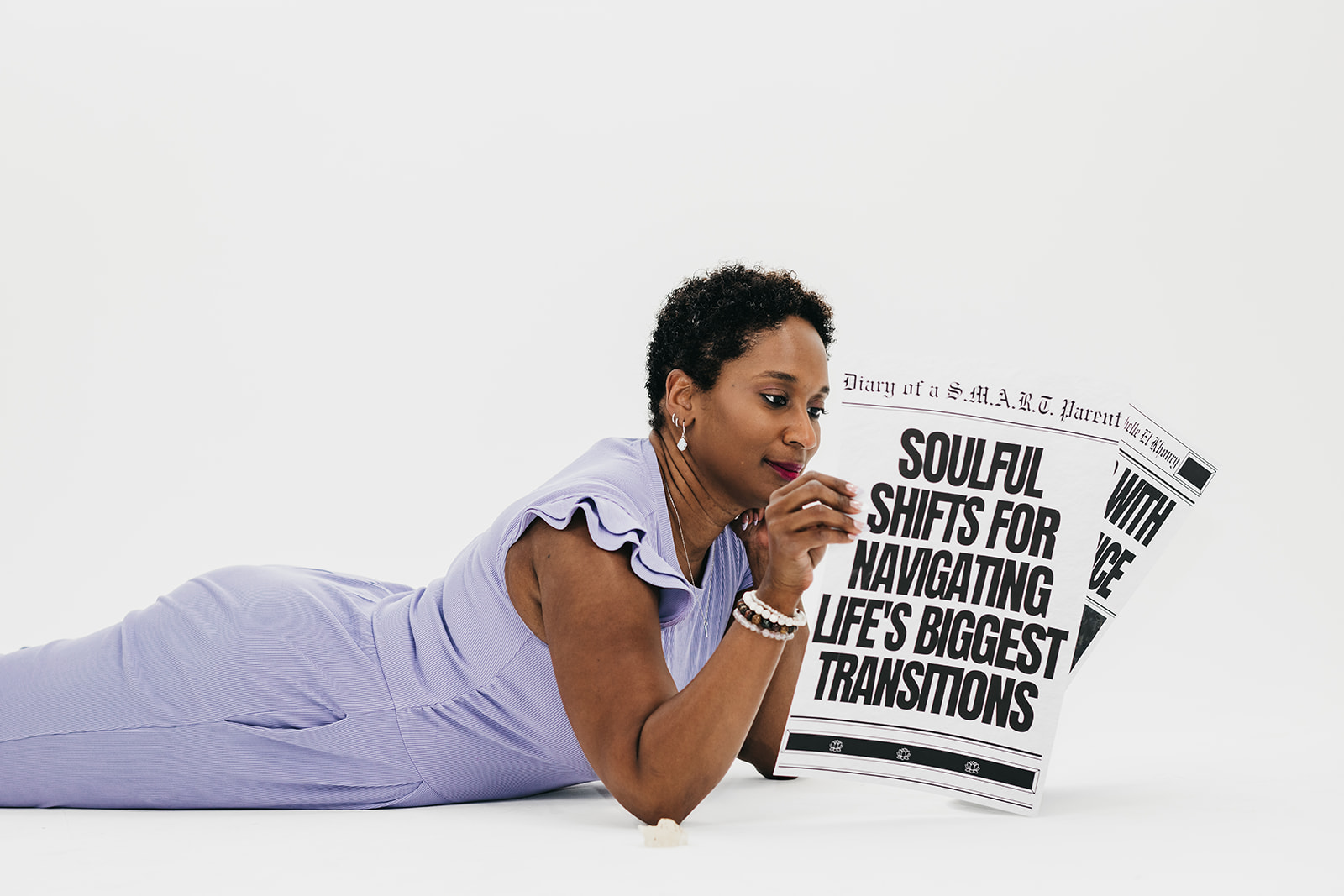

Understand your transformation
Dear leader,
Stop treating your body like a black box when it's actually trying to communicate with you.
You see a professional woman who appears prepared—someone who researches everything, reads all the latest information, understands complex systems. You see someone who's built a career on expertise and informed decision-making.
But here's what you don't see: The woman who lies awake at 2 AM Googling every new sensation, terrified she's missing something critical. The woman whose knowledge feels useless when it comes to understanding her own body's transformation. The woman who feels blindsided by changes she thought she'd be prepared for because she's always been the one with answers.
You've now completed the mindfully prepare stage of The S.M.A.R.T. Journey to Parenting™. You've created mental, emotional, and logistical space for this transition. You've released perfectionism as self-protection. You've learned to lead with presence through breathing and regulation practices.
Now we move into the third pillar: advance your understanding, the stage where knowledge becomes a portal to confidence, not a source of pressure.
This stage isn't about consuming every piece of information available. It's about developing clarity for understanding how your body and mind transform during seasons of change in your life. When you understand the biological, hormonal, and psychological changes happening, you move from reacting to changes to working with them. This knowledge becomes your foundation for advocating in any setting and recognizing what's normal adaptation versus what needs attention.
Earlier this year, I worked with a client who came to me in her second trimester, anxious despite having a medical background herself. But all that medical knowledge didn't translate to confidence. You see, she knew what oxytocin was meant to do but had no idea how her body would actually feel during labor. She knew the stages clinically, but didn't know how to recognize them in herself. And she honestly didn’t even want to admit it. But her body changes weren’t problems for her to solve, she just needed to better understand her journey.
We started by distinguishing between clinical knowledge and embodied understanding. She knew that her pregnancy was causing hormonal changes. But did she understand that those same hormonal changes were actually enhancing her emotional attunement and protective vigilance? Capabilities that would serve her as both a mother and a leader?
We worked on helping her understand not just what was happening, but why her body was designed this way and how to recognize what it was telling her. The sudden waves of anxiety about juggling her management role and motherhood weren't signs of incompetence, they were normal psychological adaptations to a major identity shift.
When she went into labor, she was able to recognize what was happening at each stage because she understood her body's language. She knew when to rest and when to move. When her induction process started, she understood the cascade of interventions well enough to advocate for a different approach based on recent research she'd discussed in our community. She wasn't just following protocols, she was making informed decisions from a place of embodied understanding. It was such an honor to witness the entire transformation directly.
And it wasn’t just during labor and birth. Moving into postpartum, she was able to tell the difference between normal postpartum recovery and something that needed attention. “I'm not panicking every time something feels different.”, she told me weeks later.
Whether you're navigating pregnancy, postpartum, or any significant life shift, this principle holds true. Because understanding your body's language transforms uncertainty into confidence—not just during pregnancy, but through every major transition life brings.
I understand this distinction more deeply now than ever before. Looking back at my three pregnancies, I can see the evolution clearly. My first birth was traumatic because I had no understanding of what my body was doing. I accepted every intervention without comprehension because I didn't know how to evaluate them.
By my third pregnancy, I had developed body literacy through my yoga practice and HypnoBirthingⓇ techniques. I clearly understood the hormonal cascade of labor, recognized the phases, and trusted my body's signals. That knowledge allowed me to have an empowered, unmedicated home birth, not because everything went according to plan, but because I understood what was happening.
But here's what makes this practice essential beyond pregnancy: Three years after that third baby, I was diagnosed with a heart condition. Then this year I officially entered menopause, and with it another heart episode.
Understanding how hormones affect my heart, stress response, and physical changes all builds on the same principles I learned during pregnancy. When my heart started racing unexpectedly, I didn't panic because I recognized it as my body communicating that something needed attention. I understood enough to advocate with my doctors, ask informed questions, and make decisions about my care based on knowledge rather than fear.
This is what it means to understand your transformation - because knowledge turns uncertainty into confidence. It's not just about one life event—it's about developing body literacy that serves you through every major transition.
Here's what this looks like in practice:
Learn your body's language: hormonal shifts, physical sensations, and emotional fluctuations are all information. When you understand what your body is communicating, you move from fear to curiosity.
Distinguish between normal adaptation and red flags: understanding the typical patterns of transformation helps you recognize when something genuinely needs medical attention versus when your body is doing exactly what it's designed to do.
Translate understanding into advocacy: when you can explain to your provider or your manager what's happening physiologically, you negotiate from knowledge rather than apology. You can articulate specific needs and accommodations with confidence.
Apply this literacy across all transitions: the principles you develop for understanding pregnancy serves you during postpartum recovery, menopause, health challenges, and any major life change. Your body is always communicating—you're just learning to understand the language.
Take some time this week to notice what your body is telling you. Instead of immediately Googling symptoms or scrolling social media, pause and ask: What is this sensation? What might my body be communicating? Is this a normal part of the transformation I'm experiencing, or does it need attention?
When you know your body's language, you can respond with wisdom rather than worry. In my next entry, we'll explore how to master discernment, because once you understand the value of knowledge, you need a strategy for learning effectively without drowning in information overload.
Remember, your body's changes aren't a problem to solve, they're the foundation to build on.
From my desk to yours,
Dr. Michelle El Khoury
P.S. Ready to become more attuned to your body's signals? Get my free 5 Days to Greater Presence email series at https://programs.yogamazia.com/greater-presence. Each daily practice helps you develop body awareness that transforms uncertainty into confidence.